
The Celtic Roots of Christmas: Why This Time of Year Still Affects Us (Even in an Australian Summer)
Every December, something quietly shifts inside us. Even here in North Queensland — where the air is thick, the days are long, and the sun feels endless — many people feel the urge to slow down, wrap up loose ends, gather with loved ones, and reflect on the year.
On the surface, it looks like “end of year fatigue.” But underneath, it’s much older than that.
This time of year is deeply connected to ancient Celtic traditions — rhythms that shaped winter life in Scotland, Ireland, and other northern lands long before Christianity or modern Christmas existed. And even though our external season is the opposite, the inner season still resonates in a very human way.
Let’s peel back the layers.
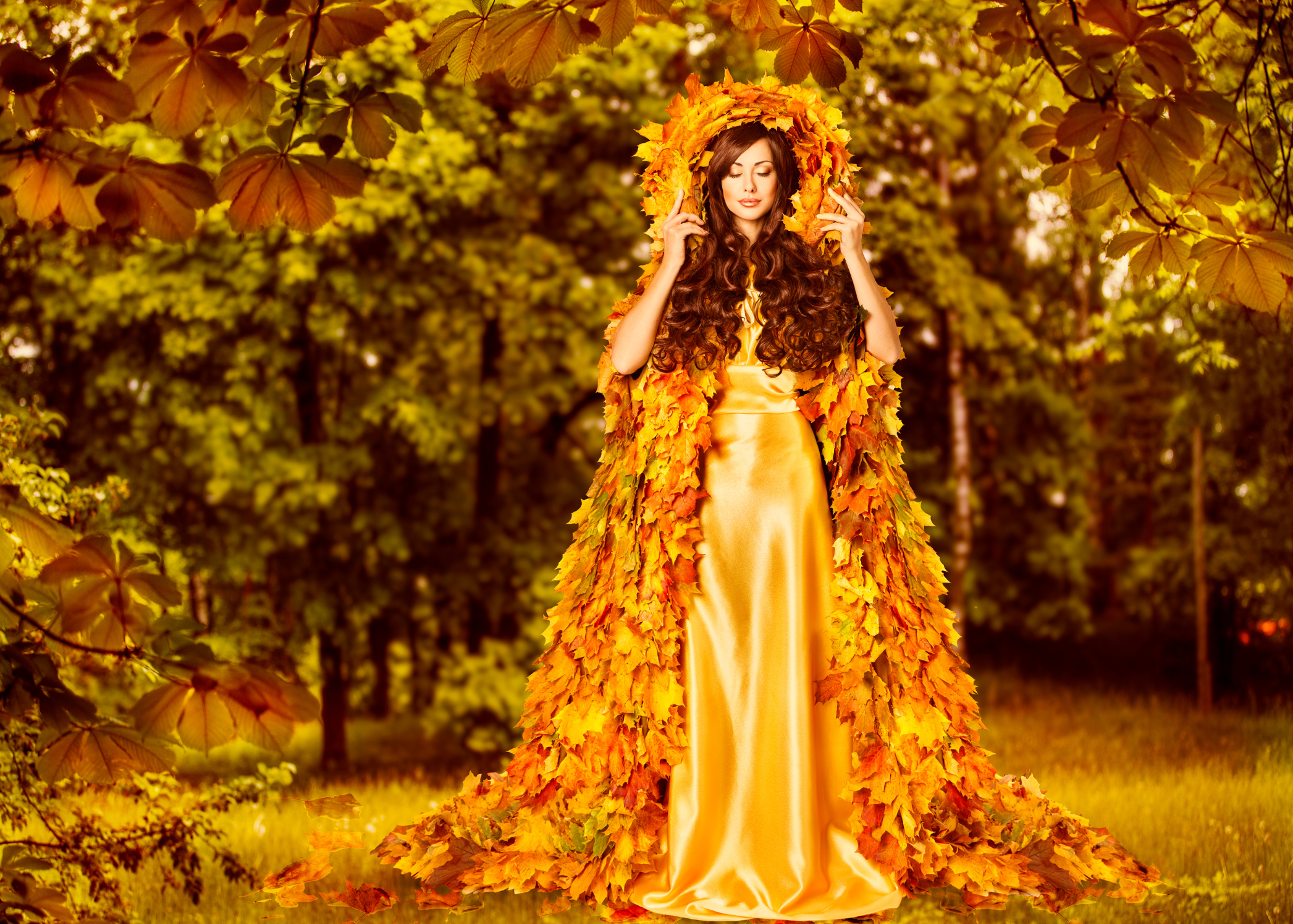
The Deep Winter Phase: Samhain to the Winter Solstice
In the Celtic world, the period between Samhain (31 October) and the Winter Solstice (21–22 December) was considered the darkest and most inward part of the year.
It was a time when:
The old year was released
The veil felt thin, and intuition felt heightened
Dreams, emotions, and insights rose more easily
Communities gathered around warmth, story, and rest
People prepared symbolically for the return of light
This wasn’t seen as a negative time — it was essential. A necessary pause. A descent before renewal.
And even though we don’t share their winter, many of us still feel this draw toward introspection, organising, quietening, and resetting as December arrives. It’s an ancestral rhythm — timeless and cross-cultural
Where Our “Christmas” Traditions Actually Come From
Long before Christmas took shape, northern cultures gathered to celebrate Yule — the Winter Solstice festival marking the sun’s rebirth.
Many of our most recognisable traditions come directly from these pre-Christian celebrations:
Evergreens
Holly, ivy, and fir branches were brought indoors to symbolise life that continued through the dark season.
Holly, especially, was sacred in Celtic lands — protective, hopeful, and a reminder that vitality endures.
Wreaths
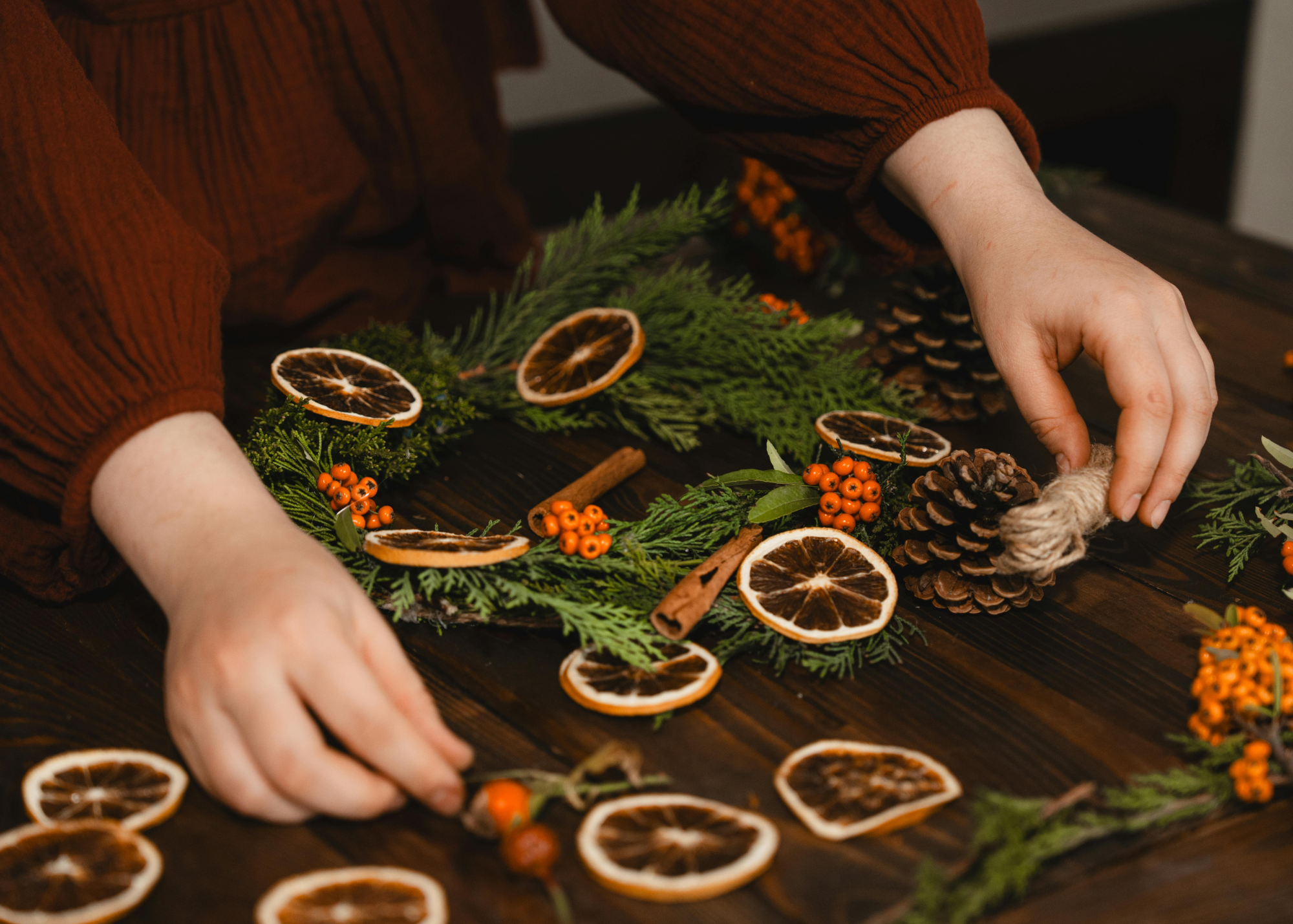
Circular wreaths represented the turning wheel of the year — the continual cycle of life, death, and rebirth.
Candles and Lights
Before fairy lights lined houses, people lit candles to honour the sun, guide its return, and soften the long nights.
Light was a prayer, a symbol, a promise.
The Yule Log
A massive log was burned through the longest night — not just for heat but as a blessing of protection, warmth, and renewal. The modern chocolate Yule log is its sweet descendant.
Feasting and Gathering
Communities came together for warmth, comfort, and shared spirit during winter’s quiet. It was less about celebration and more about surviving together with good cheer and connection.
These traditions weren’t Christian — they were cultural, seasonal, and deeply human.
When Christianity spread through Europe, many of these rituals were woven into the new religious calendar because people were already celebrating them. The date now recognised as Christmas aligns closely with the Solstice for that very reason.
Hogmanay: The Celtic New Year
If there’s one Celtic festival that reveals how much of this season is pre-Christian, it’s Hogmanay, the Scottish New Year celebrated on 31 December.
Key traditions include:
“Saining” or Sweeping Out the Old
Homes were cleaned and energetically cleared before the new year began.
This feels remarkably familiar — that December instinct to tidy, reset, and declutter comes straight from this lineage.
Fire Ceremonies
Torchlight processions, fireballs swung through the streets, bonfires — all expressions of purification and the welcoming of new energy.
First Footing
The first person to enter your home after midnight was believed to influence the year ahead. Traditionally, a dark-haired visitor carrying coal, whisky, or bread brought luck and abundance.
This custom still thrives in Scotland today.
So, Why Does This Matter in Australia?
Our climate is completely different — but the cultural memory remains.
Even in the heat of an Australian summer:
We instinctively review the year
We tie up loose ends
We schedule gatherings and feasts
We tidy our homes
We set intentions
We feel the urge to “close a chapter” before a new one begins
These instincts are far older than the Gregorian calendar. They’re part of the deep seasonal memory carried through Celtic and Northern European ancestry — stories passed down through rituals, traditions, and the rhythms of community life.
Remembering the Inner Season
So while the mangoes are ripening and the humidity rises, something ancient is still happening beneath the surface.
A quiet inner turning.
A soft letting go.
A call to return to yourself before the light returns.
Understanding these roots doesn’t just add richness to the season — it can help us make sense of why we feel what we feel at this time of year. It offers permission to slow down, reflect, and create meaning in a way that aligns with both our external reality and our internal history.
And maybe this year, as you light a candle, hang a wreath, or gather with your favourite people, you might feel that older thread woven through it all — something timeless, steady, and deeply human.